Magnesium Sulphate Heptahydrate vs Monohydrate vs Anhydrous: The Definitive Selection Guide
publisher、Saskia
time2026/07/03

- Understand the differences between magnesium sulphate grades and choose the right solution for your application.
Magnesium Sulphate Heptahydrate vs Monohydrate vs Anhydrous: The Definitive Selection Guide

Magnesium Sulphate Heptahydrate vs Monohydrate vs Anhydrous: The Definitive Selection Guide
Understanding Different Magnesium Sulphate Forms
Magnesium sulphate is a versatile inorganic compound widely used in agriculture, animal nutrition, industrial processing, and chemical manufacturing. However, international buyers often face an important question during procurement: How should they choose between magnesium sulphate heptahydrate, magnesium sulphate monohydrate, and anhydrous magnesium sulphate?
Although these products share the same basic chemical components of magnesium, sulfur, and oxygen, their crystal water content creates differences in physical properties, magnesium concentration, solubility, transportation efficiency, and application performance.
Magnesium sulphate heptahydrate (MgSO₄·7H₂O), commonly known as Epsom salt, contains seven molecules of crystal water and is recognized for its excellent water solubility. Magnesium sulphate monohydrate (MgSO₄·H₂O) contains one molecule of crystal water, providing a higher nutrient concentration with reduced moisture content. Anhydrous magnesium sulphate contains no crystal water and is mainly selected for applications requiring moisture control.
How to Choose the Right Magnesium Sulphate for Agriculture and Industry
For agricultural applications, product selection depends on the farming method and crop requirements. Magnesium sulphate heptahydrate is widely preferred for foliar spraying, fertigation, and water-soluble fertilizer production because of its rapid dissolution characteristics.
For bulk fertilizer blending and soil amendment applications, magnesium sulphate monohydrate can provide higher nutrient concentration and improved transportation efficiency. Many fertilizer manufacturers choose magnesium sulphate monohydrate when they need stable magnesium and sulfur supplementation with controlled moisture content.
In industrial applications, buyers usually focus on purity, particle size, storage stability, and compatibility with production processes. As an experienced magnesium sulphate supplier, Richase provides different specifications and crystal sizes according to customer requirements, including fine crystals, granular products, and customized grades.
Global demand for magnesium sulphate continues to grow due to increasing applications in agriculture, industrial processing, and specialty chemical production.
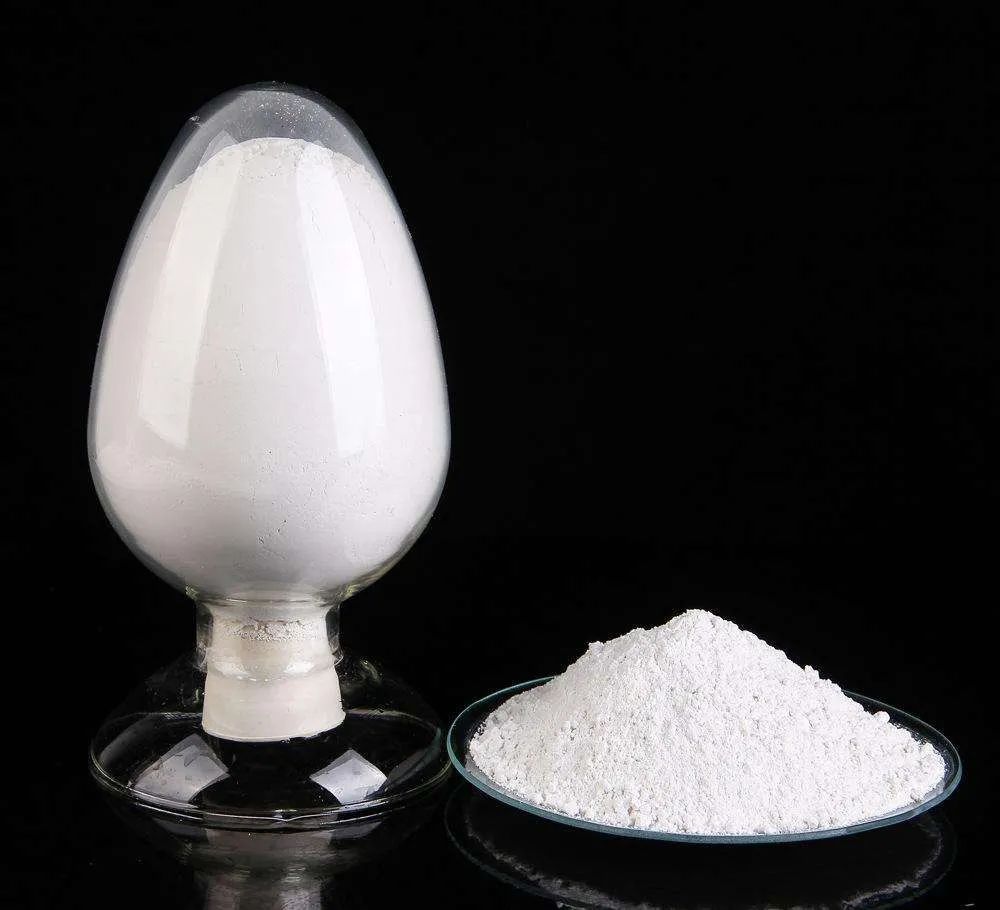
Richase Magnesium Sulphate Supply Advantage
Richase Group Limited provides high-quality magnesium sulphate products manufactured with strict quality control systems. Based on China's abundant magnesium resources and professional production experience, Richase supplies magnesium sulphate heptahydrate and magnesium sulphate monohydrate for global agricultural, industrial, and animal nutrition markets.
Our products are available in different specifications, including various crystal sizes from fine powder to granular forms, helping customers select the most suitable solution for their production requirements.
Before purchasing magnesium sulphate, international buyers should consider:
Product purity and chemical composition
Crystal size requirements
Packaging and storage conditions
Supply stability
Export experience
Choosing the right product grade can improve application efficiency, reduce unnecessary costs, and create long-term value for global customers.
Richase Group Limited – We have a profound understanding of the different needs of different customers, and our magnesium oxide products, including high-quality magnesium oxide granular and powder, are derived from a strict quality control system, ensuring that the purity, solubility, and safety of each batch of products meet high standards, helping customers maximize production potential and economic benefits.
For more information about our magnesium products, please feel free to contact our sales team.