Halogen-Free Shift Boosts MgO Flame Retardant Demand
sourceRichase Group Limited
publisherRichase Marketing
time2026/07/01

- Halogen-free regulations are driving stronger demand for magnesium oxide as a flame retardant.
Regulatory Push Toward Halogen-Free Materials
Procurement teams across Europe, North America and parts of Asia are re-specifying cable, automotive and construction materials away from halogenated flame retardants. The driver is stricter regulation of toxic smoke, corrosive off-gassing and dioxin risk during fire events. Mineral-based solutions led by Magnesium Oxide are the clear beneficiary, with demand climbing steadily in wire and cable compounds and EVA foam systems.
Why Magnesium Oxide Wins the Spec Sheet
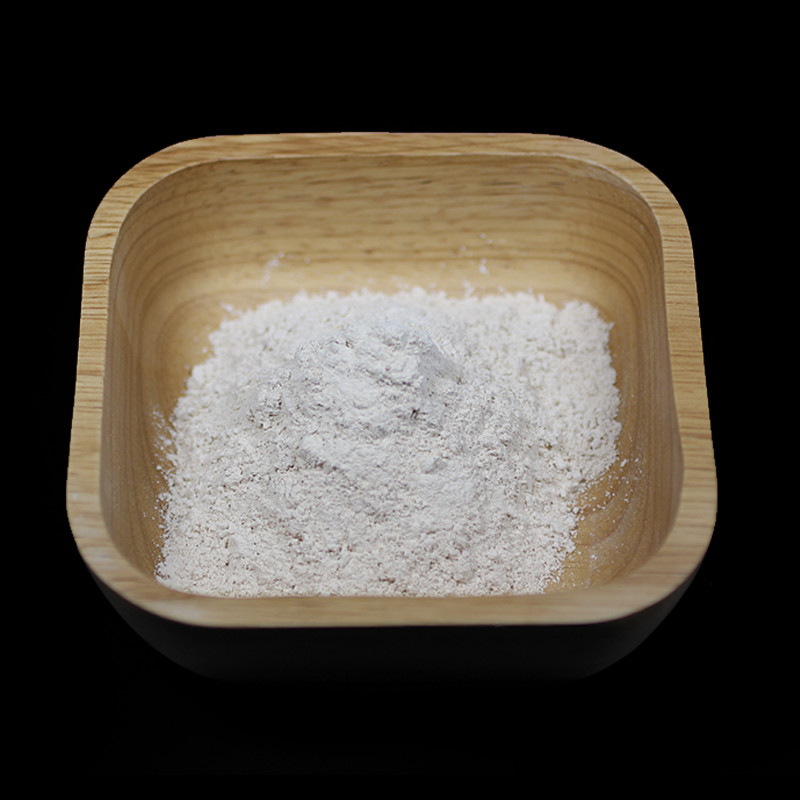
Compared with ATH and MDH, high-purity MgO powder delivers strong smoke suppression at competitive loadings and doubles as an acid scavenger and vulcanization activator in rubber. Compounders value its thermal stability and its compatibility with existing extrusion lines, which lets a plant reformulate without capital investment. That combination explains why the MgO flame retardant segment of the market keeps gaining specification share in halogen free cable sheathing.
Wire and Cable Demand Expands
Utility, rail and tunnel projects increasingly mandate low-smoke zero-halogen cable. Every kilometer of LSZH sheathing consumes several hundred kilograms of mineral filler, so infrastructure programs translate directly into MgO demand. Orders that once moved regionally are now tendered globally, giving export-ready suppliers in China a structural advantage.
EVA Foam and Construction Materials
Beyond cable, halogen-free EVA foam for footwear, automotive interiors and acoustic panels is adopting magnesium oxide as a synergist. In construction profiles and sealants, formulators pair MgO with phosphorus systems to pass stringent smoke-density tests while keeping compounding simple for converters.
Quality Specifications Buyers Now Demand
Specifiers have moved past lowest-price purchasing. Typical purchase requirements now include documented 95 percent MgO content, controlled chloride, fine and consistent particle size distribution, and lot-level certificates of analysis. Batch-to-batch consistency matters more than headline purity, because an unstable surface area shifts cure behavior in sensitive compounds.
Supply Side: China Magnesite Base
Most export-grade magnesium oxide for polymer applications is calcined from magnesite in northeast China. Environmental inspections and energy quotas in that region periodically tighten supply, so buyers who locked annual contracts this cycle have insulated themselves from spot volatility. Suppliers with own-mine relationships and OEM blending capability are winning the reliability-sensitive accounts.
Pricing and Contract Trends
Contract structures are shifting from spot purchasing toward quarterly and half-yearly agreements with volume bands. Producers report fuller order books for coated and surface-treated grades, which command premiums for improved dispersion in polyolefins and rubber additives formulations. Freight normalization has widened the delivered-price window between regions.
Richase Supply Response
Richase Group Limited continues to expand capacity from its China magnesite base to serve the halogen-free shift, with batch-level quality control, export documentation and grade matching for smoke-suppressed systems. Our team supports compounders with samples for trial formulations and consistent drum and bulk-bag packing for global delivery.
What to Watch Next
Expect further specification tightening in rail and tunnel projects, growing use of surface-treated MgO in polyolefin compounds, and continued consolidation among magnesite processors. Buyers should verify chloride control and particle size data early in qualification, as these are the parameters most often behind failed trials.