
Livestock Magnesium Demand Rises on Milk Quality Focus
sourceRichase Group Limited
publisherRichase Marketing
time2026/07/08
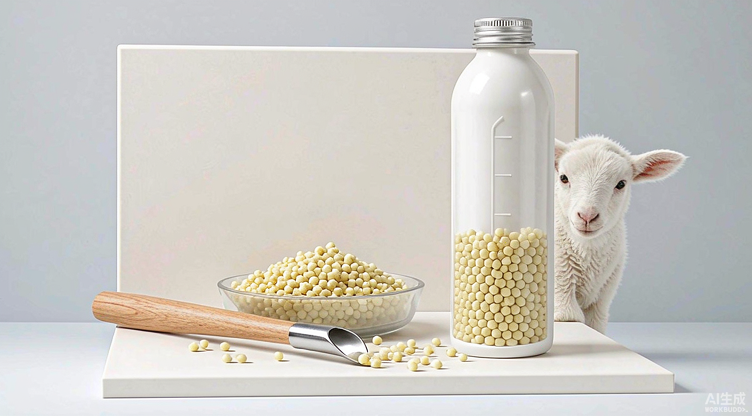
- Rising milk-quality focus is lifting demand for feed-grade magnesium oxide in rations.
Milk Quality Push Reshapes Dairy Rations
Dairy cooperatives in Europe, the Middle East and Latin America are tightening somatic cell and solids targets, and nutritionists are responding by re-balancing mineral premixes. Rising milk quality focus is lifting demand for feed grade magnesium oxide across major dairy regions, as magnesium sits at the center of both cow health and solids production.
Why Magnesium Matters in Dairy Diets
Magnesium activates hundreds of enzymes involved in energy metabolism and milk-fat synthesis. A magnesium-deficient cow drops in dry-matter intake before any visible clinical sign appears, quietly costing yield. Formulators therefore treat a reliable magnesium supplement as cheap insurance rather than an optional ingredient, which keeps demand stable even when milk prices soften.
Grass Tetany Risk Keeps Demand Seasonal
Fast-growing spring pasture is low in magnesium and high in potassium, the classic trigger for grass tetany in livestock. Extension services in temperate grazing countries recommend magnesium fortification six to eight weeks ahead of turnout, creating a predictable seasonal peak in livestock magnesium demand that bulk buyers plan around with pre-booked spring inventory.
Feed Grade Magnesium Oxide Specifications
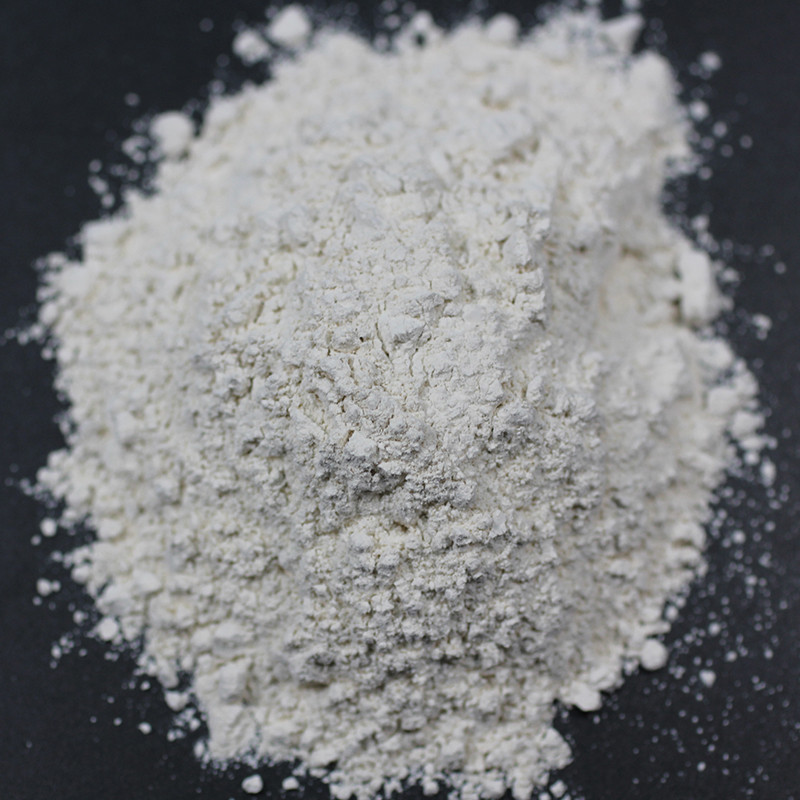
Purchase specifications now concentrate on three parameters: MgO assay at 94 percent or above, heavy-metal limits aligned to feed safety codes, and a fine granulometry that disperses evenly in premix. Coarse or dusty material both depress intake, so particle size consistency has become a decisive qualification criterion for dairy cattle mills.
Blending and Palatability Considerations
Magnesium oxide is mildly bitter, and over-fortified rations reduce palatability. Nutritionists counter this with granular material of uniform size and careful sequencing in the mixer. Suppliers who control granulometry within tight bands report fewer rejections at premix plants, an operational detail that increasingly separates reliable partners from spot sellers.
Regional Demand Trends
Feed-lot expansions in the Middle East and North Africa, pasture intensification in New Zealand and Ireland, and dairy modernization in Latin America are pulling export volumes in different pack formats. Twenty-five-kilogram bags serve premixers, while one-tonne bulk bags and big-bag-to-container programs serve integrators running their own mineral plants.
Supply and Logistics
Export-grade material flows largely from Chinese calciners shipping through northern and southern Chinese ports. Buyers are extending coverage through longer contracts after port congestion episodes in past seasons, and many now dual-source between bagged and bulk programs to protect feeding schedules. Documentation for feed safety compliance travels with the cargo in mature supply chains.
Quality Assurance Expectations
Integrators audit suppliers for traceability from raw magnesite to finished oxide, and certificates covering MgO content, calcium, heavy metals and screen analysis are now standard attachments. Third-party pre-shipment inspection is common on larger lots. These practices have lifted the floor of acceptable quality and reward producers with stable calcination control.
Richase Feed Grade Supply
Richase Group Limited supplies high-purity feed grade magnesium oxide with consistent MgO assay, controlled granulometry and full export documentation, packed for both premix and bulk ration programs. Our technical team supports ration planners with typical analysis sheets and sampling schedules for animal nutrition programs across Africa, Latin America and Europe.
Outlook
Expect continued firm demand through spring turnout windows, growing preference for granular material, and steady qualification of new suppliers as integrators diversify sourcing. Mills that lock coverage ahead of the grazing season are positioned best for the next cycle.