
Refractory Magnesia Supply Tightens as Steel Output Recovers
sourceRichase Group Limited
publisherRichase Marketing
time2026/07/15

- Steel output recovery is tightening dead burned magnesia supply and raising quality specs.
Steel Output Recovery Lifts Refractory Demand
Restarted blast furnaces and longer campaign targets across Asia and the Middle East are pulling demand for basic refractory linings. Every tonne of steel consumes several kilograms of lining material, so the recovery flows directly into the refractory magnesia market, where high-MgO bricks and gunning mixes anchor the working lining of converters and ladles.
Dead Burned Magnesia Supply Chain
Dead burned magnesia, the sintered backbone of magnesia-carbon bricks, starts as magnesite ore that is calcined in shaft or rotary kilns above 1800 degrees Celsius. The resulting dense, low-reactivity grain carries the volume stability that steel vessels demand. Kiln capacity, ore chemistry and energy cost together define how much material the market can actually deliver.
Magnesite Ore and Dead Burning
Refractory buyers track ore quality as closely as finished grain because impurities such as silica, lime and iron carry straight through to brick performance. Producers holding consistent magnesite bodies in the Liaoning belt can hold SiO2 below one percent, the threshold for premium refractory materials. Ore blending discipline separates stable suppliers from opportunistic ones.
Quality Specs for Refractory Bricks
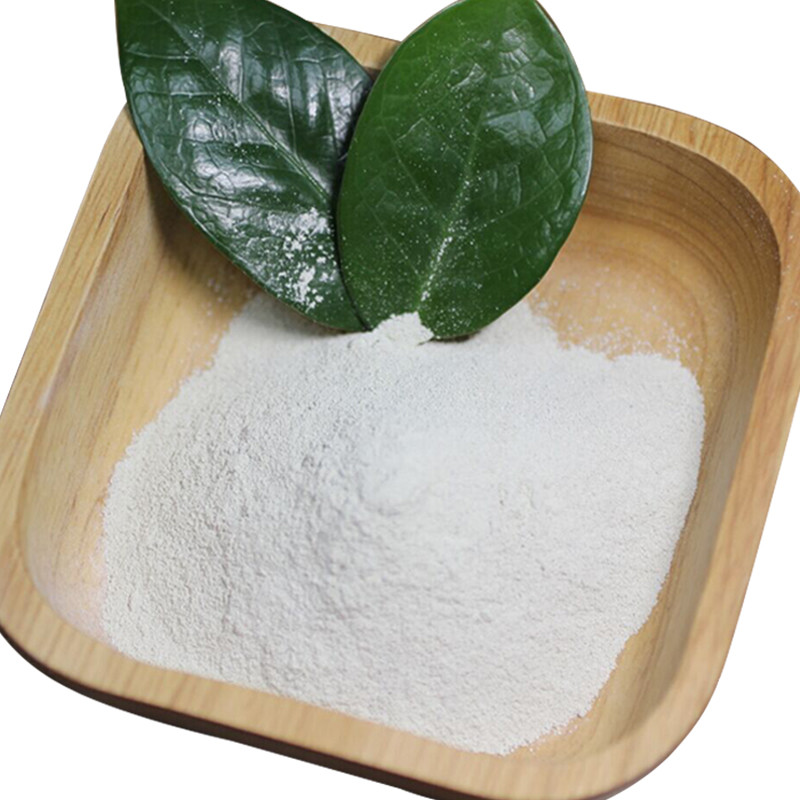
Brickmakers typically specify DBM at MgO 92 to 97 percent with controlled bulk density above 3.2 grams per cubic centimeter and restricted boron oxide. For monolithic mixes, finer MgO powder fractions are blended with the sintered grain to tune sintering behavior. Consistent lot data is what keeps a brick line running without reformulation.
Environmental Inspections Tighten Supply
Kiln emission controls in producing regions have idled marginal capacity at intervals, tightening availability of dead burned grades each compliance wave. Surviving producers run higher-efficiency kilns and hold environmental permits that large international traders require. This structural squeeze underpins the firm pricing tone buyers report this season.
Import Dependence in Key Markets
Steelmakers in the Middle East, Southeast Asia and the Americas import most magnesia raw materials, and several have qualified China-based suppliers for multi-year supply programs. Long agreements now include density and chemistry bands, and pre-shipment sampling at load port has become routine for cargo moving into brick plants.
Buyer Strategies Under Tight Supply
Procurement teams are extending coverage, splitting annual volume between contract and spot, and keeping a second qualified source for each grade. Some brickmakers are also reformulating toward blends that accept a wider DBM window while preserving brick porosity targets, buying flexibility in a market where premium lots sell out first.
Magnesium Oxide Powder Versus Sintered Grain
Dead burned grain serves the matrix skeleton, while fine oxide powder acts in binders, gunning mixes and tap-hole masses. Powder demand moves with maintenance spending in the steel industry, and mill stoppages for relining are the demand signal suppliers watch. Mills that coordinate grain and powder purchases from one source report fewer mixing errors at the brick plant.
Richase Magnesia Supply
Richase Group Limited supplies high-purity magnesium oxide powder and magnesite-based magnesia products from its China resource base, with lot-level certificates, tight granulometry control and container and bulk-bag export packing. Our team matches grades to brick and monolithic formulations and supports qualification with typical analysis data.
Outlook
Watch kiln operating rates in producing provinces, campaign lengths at integrated mills, and any expansion of magnesium-carbon brick capacity in the Gulf. Buyers holding contracted DBM coverage and dual-sourced powder programs are best placed for the rest of the recovery cycle.