
Sulphur Deficit Lifts Sulphate Fertilizer Demand
sourceRichase Group Limited
publisherRichase Marketing
time2026/08/12

- Widespread sulphur deficiency is lifting demand for sulphate fertilizers and micronutrients.
Widespread Sulphur Deficiency in Soils
Soil surveys across Europe, Africa and the Americas keep returning the same verdict: sulphur deficiency is spreading. Declining atmospheric deposition, high-yield crop removal and low organic matter in intensively farmed fields have turned sulphur from a secondary nutrient into a yield-limiting one, and the market for sulphate fertilizer is responding with firm demand.
Why Sulphur Matters for Protein Crops
Sulphur drives nitrogen efficiency and protein synthesis in oilseed rape, wheat, maize and pulses. A deficient crop wastes applied nitrogen, so agronomists now budget sulphur alongside NPK to protect soil fertility and protein premiums. Where sulphur runs short, response to the first corrective application is often visible within weeks, which keeps farm demand emphatic.
Zinc Sulphate for Micronutrient Correction
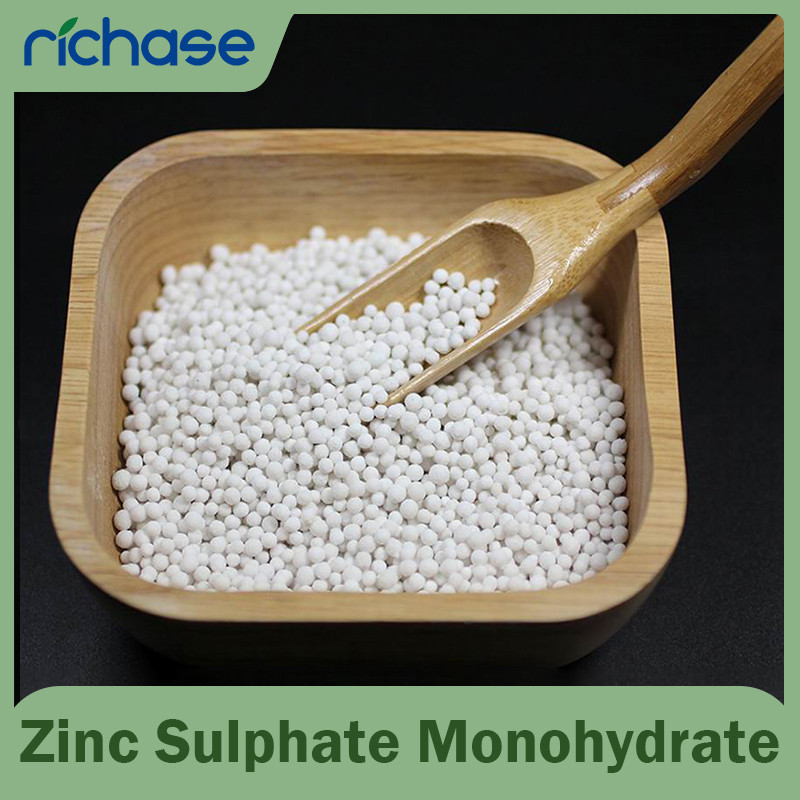
Zinc sulphate remains the default zinc carrier for soil and foliar correction, particularly on high-pH and calcareous soils where zinc availability collapses. Monohydrate granular material blends cleanly with NPK bulk blends, while heptahydrate serves fertigation programs. Cereal and maize growers in deficit regions treat a micronutrient fertilizer pass as standard practice rather than a rescue treatment.
Magnesium Sulphate for Sandy and Acid Soils
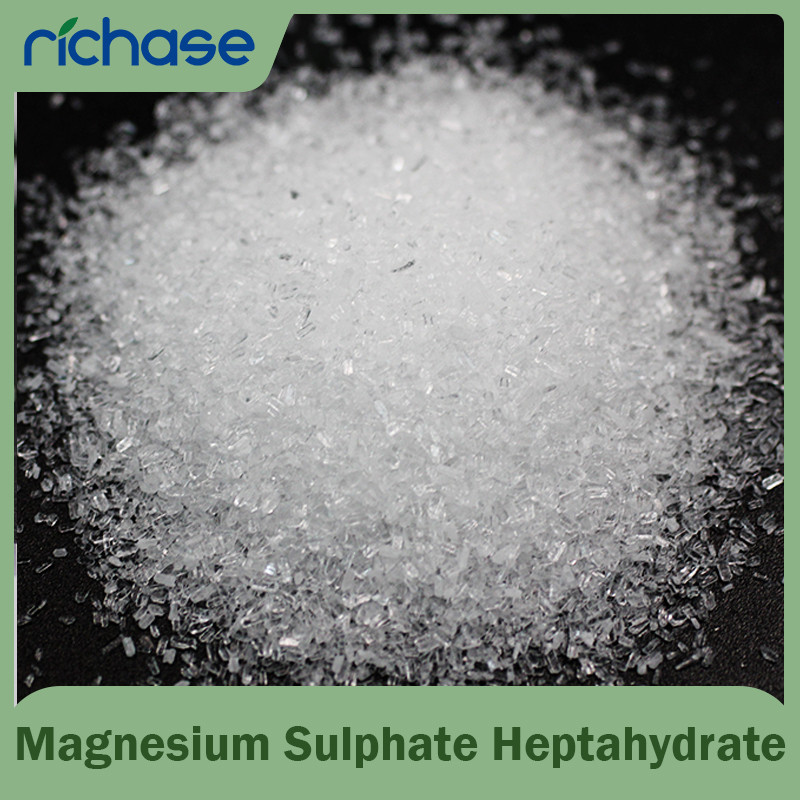
Magnesium sulphate addresses the twin deficits that light soils develop as they are worked harder. Fully water-soluble sulphate forms deliver magnesium without raising pH, making them the tool of choice on acid sandy fields and in fertigation. Kieserite and Epsom grades both move strongly in regions where high-yield programs mine soil magnesium faster than dolomite can replace it.
Sulphate Versus Elemental Sulphur
Elemental sulphur must be oxidized by soil bacteria before the plant can use it, so early-season response favors sulphate forms. Blenders increasingly combine both: sulphate for immediate uptake and pastille sulphur for season-long supply. Buyers weigh solubility, granulometry and blending compatibility when choosing between the forms.
Application Windows and Placement
Agronomists time sulphate applications ahead of peak crop demand, placing them with the seed row or in early top-dressing to stop leaching losses on sandy profiles. Foliar zinc sulphate passes run alongside herbicide windows to save a field pass. Timing discipline explains the seasonal order peaks blenders plan against.
Regional Demand Patterns
European oilseed regions, Brazilian cerrado expansions and North American corn belts anchor the largest sulphate volumes, while African smallholder programs increasingly bundle sulphur and micronutrients into basal blends. Importers in West Africa and Latin America are moving from bagged product toward bulk blending using imported granular sulphates.
Quality Specifications for Bulk Buyers
Blenders specify water solubility, free moisture, granulometry for even blend distribution, and heavy-metal compliance for food-chain safety. Zinc assays around 35 percent for monohydrate and consistent MgO content for magnesium sulphate are the qualification baseline. Lot certificates with screen analysis now travel as standard with serious cargo.
Richase Sulphate Supply
Richase Group Limited supplies zinc sulphate monohydrate and heptahydrate, magnesium sulphate in fertilizer grades, and complementary micronutrient lines, with consistent assay control, export packing and documentation for blenders and distributors. Our team supports blend formulation and application scheduling across Africa, Latin America and Europe.
Outlook
Expect sulphur budgets to keep rising with yield targets, continued growth in blended fertilizers carrying sulphate zinc and magnesium, and early orders ahead of planting windows. Importers who contract granular material before the season open with better blend availability than spot buyers.